


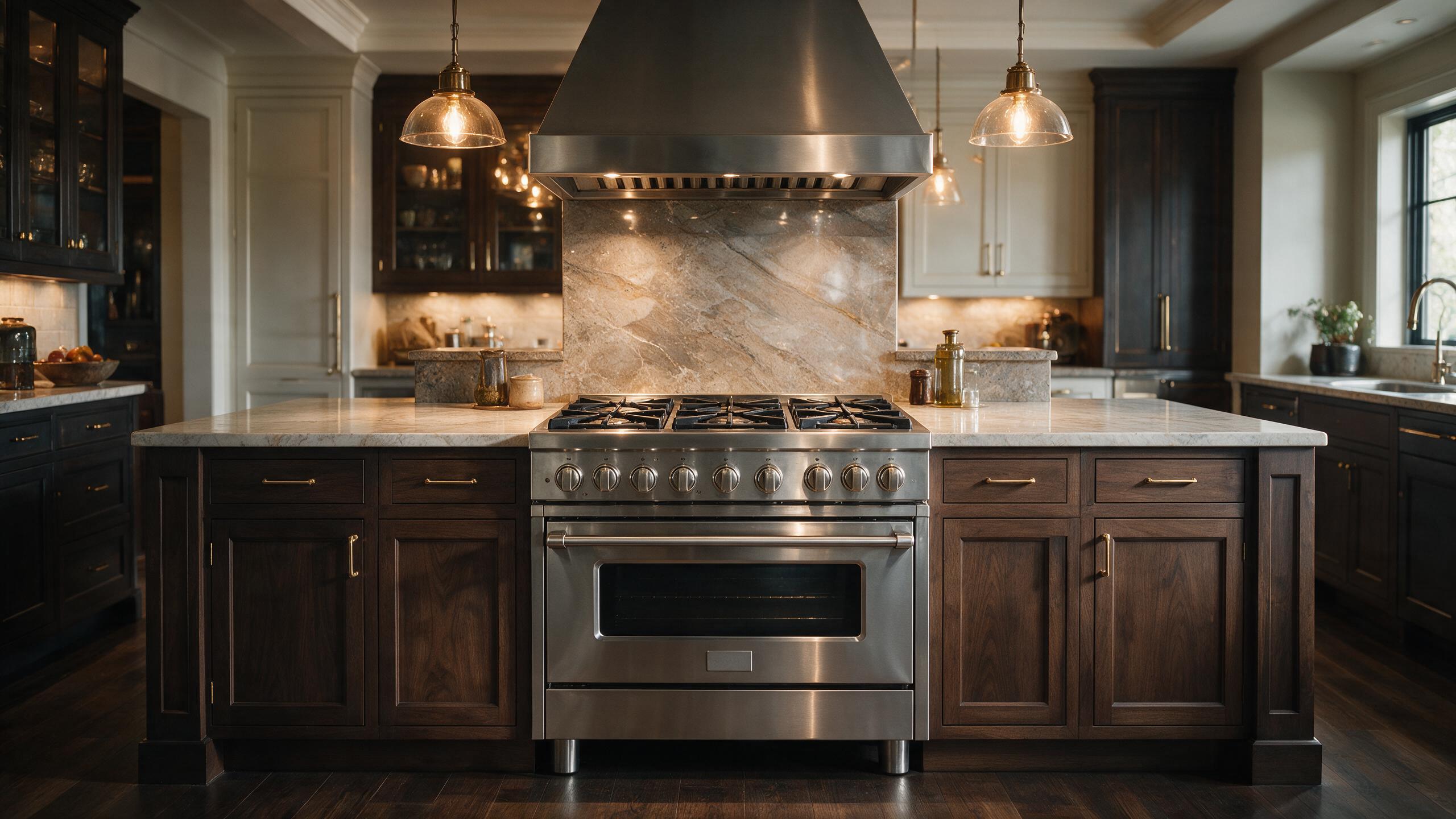
Uneven grill heat can come from burner-port restriction, grease buildup, ceramic/briquette distribution, wind, burner wear, or gas-flow differences across burners.
Every grill has hotter and cooler zones, but a sudden strong left-to-right temperature difference, one burner that cannot match the others, or repeated flare/low-heat zones deserves inspection. Viking grill literature recommends burner/venturi inspection when the grill fails to reach proper temperature, heats unevenly, smells of gas with yellow flame, or produces popping sounds.
Start with a fully cooled grill and visible cooking components. Gas pressure and internal valve work come later with a technician.
Avoid treating an internet parts list as a diagnosis. Viking product generations differ, and the same outward symptom can come from installation, utilities, mechanical parts, sensing, wiring, or controls.
Map the pattern. Record which burner/area stays cool and whether the problem follows the burner control, the cooking grate position, or a particular ceramic/briquette tray.
A useful observation has three parts: what the appliance was asked to do, what it actually did, and when the difference appeared. That format is more useful than a broad label such as “broken,” “not working,” or “acts weird.” It also prevents a temporary installation or operating condition from being mistaken for a failed component.
Blocked burner ports, grease buildup, uneven ceramic or briquette placement, wind, burner wear, or gas-flow differences between burners can all do it. Note which area stays cool.
Uneven port flow creates an uneven flame pattern.
Heat distribution components can become dirty, damaged, or incorrectly positioned.
Strong wind can disturb flame and make one side of an outdoor grill behave differently.
Viking warns about spider/insect nesting in burner/venturi tubes because it can alter gas flow and create a dangerous condition.
Gas-system faults require qualified diagnosis rather than owner adjustment.
These are diagnostic directions, not a replacement-parts list. More than one condition can exist at the same time, and the same visible symptom can be produced by different systems on another Viking model.
Do only the checks that are normal owner tasks for the exact product. If a step would require removing a service panel, moving a built-in appliance, disconnecting a gas fitting, opening a sealed refrigeration circuit, or measuring live voltage, skip it.
Viking outdoor grills use model-specific burner, ignition, thermocouple, regulator, and fuel configurations. Outdoor exposure, grease, insects, and gas-supply conditions can change operation, so gas safety takes priority over repeated testing.
That is also why a generic search result should not be allowed to overwrite the model number. Exact model identity belongs with the symptom, any displayed code, and the installation style when service is requested.
Stop for gas odor, yellow flame with odor, popping from burner tubes, flame behind the control panel, or evidence of insect blockage you cannot safely address. Do not operate until the gas path is safe.
If normal fuel availability, approved cleaning, visible hose routing, and user-removable burner parts do not explain the symptom, stop before gas pressure, valve, regulator, thermocouple, or internal burner-system work.
Professional diagnosis can include burner/venturi condition, orifices, valves, regulator/supply pressure, air shutters, thermocouples, and heat-distribution hardware.
A proper diagnosis should connect each test to the symptom instead of replacing expensive assemblies until the problem disappears. Ask what was verified, what failed the test, and how that finding explains the behavior you reported.
This information is particularly useful for intermittent problems because the appliance may behave normally by the time a technician arrives.
Preserving evidence matters. A photo of an alarm, the exact burner that behaves differently, the water level after a drain cycle, or the temperature trend over several hours can save more diagnostic time than another power reset.
A practical decision depends on safety and function. Stop using the appliance when the symptom involves gas odor, active water near electricity, smoke, arcing, uncontrolled heat, repeated breaker trips, unsafe food-storage temperature, or a powered mechanism that is binding. Monitor briefly only when the symptom is mild, the appliance remains safe, and the checks above are producing useful evidence. Book diagnosis when the same symptom returns under normal conditions or when confirming the cause requires internal testing.
For built-in and premium installations, access is part of the job. Tell the service team if the appliance is panel-ready, tightly built into cabinetry, installed outdoors, behind custom millwork, or connected to a hard-to-reach shutoff. That helps the visit begin with the right plan rather than moving the appliance unnecessarily.
Use model pages for exact-model identity and the error-code library for exact code meanings. This article is intentionally focused on the symptom and decision path, so those page types can support one another.
Intermittent operation does not automatically make the condition safe. Continue only when the symptom is minor, the owner manual allows normal use, and there is no gas odor, leak, overheating, arcing, breaker trip, unsafe temperature, or other stop-use condition described in this guide.
Record any code or light pattern first. One normal model-approved restart can be useful when the condition is safe, but repeated resets can hide useful evidence without correcting the cause.
No. The symptom narrows the system to investigate, but installation, utilities, wiring, sensors, controls, and mechanical components can create similar behavior.
Viking has multiple product families and generations. The model number determines the control platform, component layout, documentation, and the correct service procedure.
Send the full model number, the exact symptom, any code or display photo, when it occurs, what still works, the safe checks already completed, and your ZIP code.
If Viking outdoor grill heats unevenly is still the problem after the safe checks above, send the complete model number, the symptom or display photo, what still works normally, and your service-area ZIP code. Simply Iconic can use that information to plan model-aware diagnosis rather than guessing from the symptom alone.
Book a Repair
Phone: (844) 363-0467
Intermittent operation does not automatically make the condition safe. Continue only when the symptom is minor, the owner manual allows normal use, and there is no gas odor, leak, overheating, arcing, breaker trip, unsafe temperature, or other stop-use condition described in this guide.
Record any code or light pattern first. One normal model-approved restart can be useful when the condition is safe, but repeated resets can hide useful evidence without correcting the cause.
No. The symptom narrows the system to investigate, but installation, utilities, wiring, sensors, controls, and mechanical components can create similar behavior.
Viking has multiple product families and generations. The model number determines the control platform, component layout, documentation, and the correct service procedure.
Send the full model number, the exact symptom, any code or display photo, when it occurs, what still works, the safe checks already completed, and your ZIP code.
Share a few details and we’ll confirm an appointment. Prefer to talk? Call us and we’ll help right away.
Use the secure scheduler below to request your appointment.